

How Physiotherapy Helps Restore Mobility Naturally: A Deep Look Into Holistic Recovery
Modern lifestyles have changed the way our bodies move—and often, the way they hurt. Whether it’s long hours at a desk, an old sports injury resurfacing, or everyday stresses that gradually build into discomfort, mobility issues are becoming increasingly common. What many people don’t realize is that the answer doesn’t always lie in painkillers or temporary fixes. Physiotherapy offers a powerful, science-backed, and holistic approach that helps individuals regain strength, restore flexibility, and return to everyday activities without relying on invasive treatments.
At its core, physiotherapy focuses on how the body moves. It examines how muscles, joints, nerves, and posture work together, and identifies exactly where that harmony breaks down. Instead of masking symptoms, physiotherapy aims to correct the underlying dysfunction—helping people experience genuine and lasting relief.
One of the biggest advantages of physiotherapy is the personalization it offers. No two bodies are the same, and no two injuries behave identically. A tailored treatment plan allows a therapist to look closely at what’s causing the discomfort. For someone recovering from a sprained ankle, the priority might be rebuilding stability and balance, while for someone dealing with chronic lower-back pain, therapy may focus on posture, spinal mobility, and core strength. This individualized approach not only speeds up healing but also reduces the chances of the problem returning.
Another lesser-known benefit of physiotherapy is its ability to improve body awareness. With expert guidance, individuals learn how to move more efficiently, how to maintain proper alignment, and how to identify early warning signs before a minor discomfort turns into a major issue. Over time, these small changes can dramatically improve quality of life—allowing people to stay active, agile, and independent for years to come.
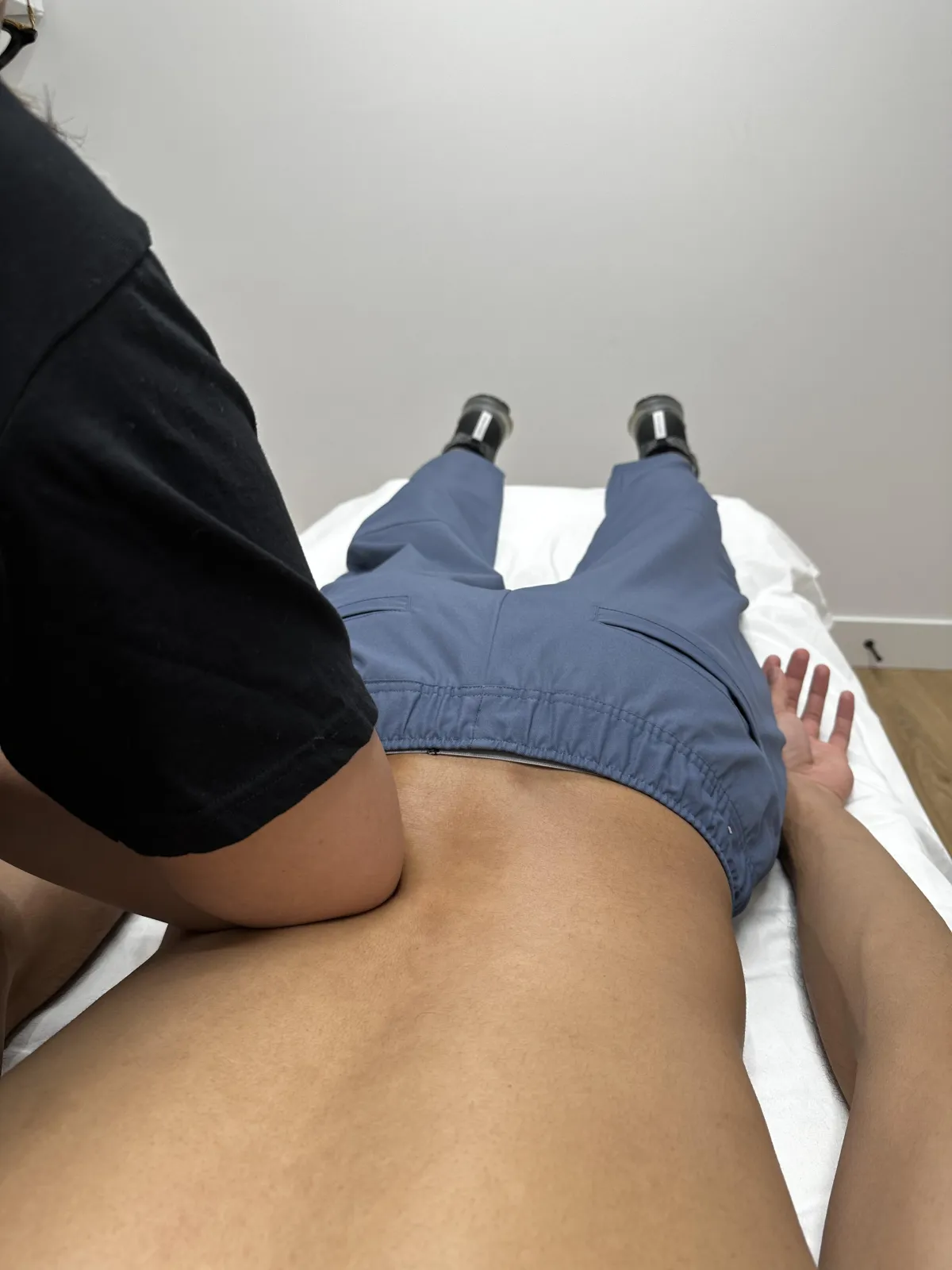
Physiotherapists also use a combination of hands-on techniques and targeted exercises to support recovery. Manual therapy helps release deep muscle tension, reduce stiffness, and improve joint mobility, while therapeutic exercises strengthen weak areas and support better balance and coordination. When combined, these methods help restore natural movement patterns and accelerate healing in a way no single treatment can match.
In recent years, physiotherapy has become an important part of post-surgical rehabilitation. After procedures like ACL repair, rotator cuff surgery, or joint replacement, the body needs careful and structured movement to regain full function. Physiotherapy provides exactly that. Guided exercises help rebuild muscle strength, improve circulation, and prevent complications—while also giving patients the confidence to move again without fear of reinjury.
The mental and emotional benefits of physiotherapy shouldn’t be overlooked either. Persistent pain can be draining, affecting sleep, concentration, and even mood. As mobility improves and discomfort reduces, people often experience a renewed sense of energy and positivity. Many patients walk into their sessions feeling restricted and frustrated, but walk out feeling lighter—both physically and mentally.
Another reason physiotherapy is so effective is its emphasis on long-term wellness. Instead of offering a temporary fix, therapists aim to empower patients with knowledge and healthy habits they can use throughout their lives. Something as simple as learning how to sit correctly at work, choosing the right warm-up routine before exercise, or strengthening specific muscles can prevent injuries and discomfort for years to come.
It’s also worth noting that physiotherapy is suitable for people of all ages—from children dealing with posture issues to athletes recovering from intensive training, and seniors working to maintain balance and avoid falls. Its versatility makes it one of the most accessible and practical healthcare services available today.
At clinics like Surge Wellness Clinic, patients receive a modern, evidence-based approach to healing. With advanced assessment methods, customized treatment plans, and experienced physiotherapists guiding every step, individuals are able to recover safely and efficiently. Whether the goal is to eliminate pain, move with confidence, or simply enjoy life without physical limitations, physiotherapy provides a reliable and natural solution.
In a world where we’re constantly juggling responsibilities, activities, and stress, taking care of our bodies often gets pushed aside. But when discomfort begins to affect daily routines, productivity, or overall well-being, physiotherapy becomes more than a treatment—it becomes an investment in long-term health. Its ability to restore movement, reduce pain, and strengthen the body from the inside out makes it an essential part of modern wellness.
For anyone struggling with mobility issues, old injuries, or ongoing pain, physiotherapy offers a path forward—one that focuses on healing, empowerment, and sustainable recovery. With the right care and consistency, pain doesn’t have to be permanent, and movement doesn’t have to be limited. Physiotherapy unlocks the possibility of living freely, actively, and comfortably again.