
Reducing Workplace-Related Musculoskeletal Pain: How Physiotherapy Makes a Difference
In our modern work environment, more people than ever are facing musculoskeletal pain due to prolonged sitting, repetitive tasks, or manual labour. Whether you work behind a desk, drive for long hours, lift or carry items, or manage physical tasks day-in and day-out, your body’s muscles and joints are being asked to perform in ways they may not be optimally prepared for. The good news? Physiotherapy offers a proactive, evidence-based solution to treat and prevent these workplace-related pains—helping you stay productive, comfortable, and pain-free.
Understanding Workplace Musculoskeletal Pain
Workplace musculoskeletal pain refers to discomfort, stiffness, or injury affecting muscles, tendons, ligaments, joints or nerves that can be linked to work activities or posture. Common areas of concern include the neck and shoulders (from desk posture or lifting), the back (from sitting, standing, or bending), the wrists and hands (from typing or repetitive work), hips and knees (from prolonged standing or awkward positions).
Some of the key causes include:
Poor posture: Slumped shoulders, forward head, unsupported lower back or awkward leg positions can all contribute over time.
Repetitive movement: Performing the same motions hours each day (e.g., typing, using hand tools, lifting boxes) places cumulative strain on specific tissues.
Static posture: Holding one position for long periods (sitting at a desk, standing in one spot, driving) reduces circulation, fatigue accumulates, and muscles get overloaded.
Inadequate strength or flexibility: When stabilising muscles (core, hips, shoulder girdle) are weak or joints are stiff, compensations happen and strain gets transferred elsewhere.
Work environment and ergonomics: Desk height, chair support, repetitive tools, screen position, foot support, even lighting and breaks all affect musculoskeletal health.
Left untreated, workplace-related pain can lead to reduced productivity, greater absenteeism, chronic conditions, decreased quality of life and even emotional stress.
How Physiotherapy at Surge Wellness Clinic Helps
At Surge Wellness Clinic in Surrey, the physiotherapy team takes a personalised and comprehensive approach to tackling workplace-related musculoskeletal pain. Here’s how the process typically unfolds:
1. Thorough Assessment
Your physiotherapist begins by looking beyond simply where the pain is felt. They assess posture, muscle strength, flexibility, joint mobility, work habits, workstation setup (if applicable), movement patterns, and any compensations you may be performing. This establishes the root causes, not just the symptoms.
2. Pain Relief & Early Mobilisation
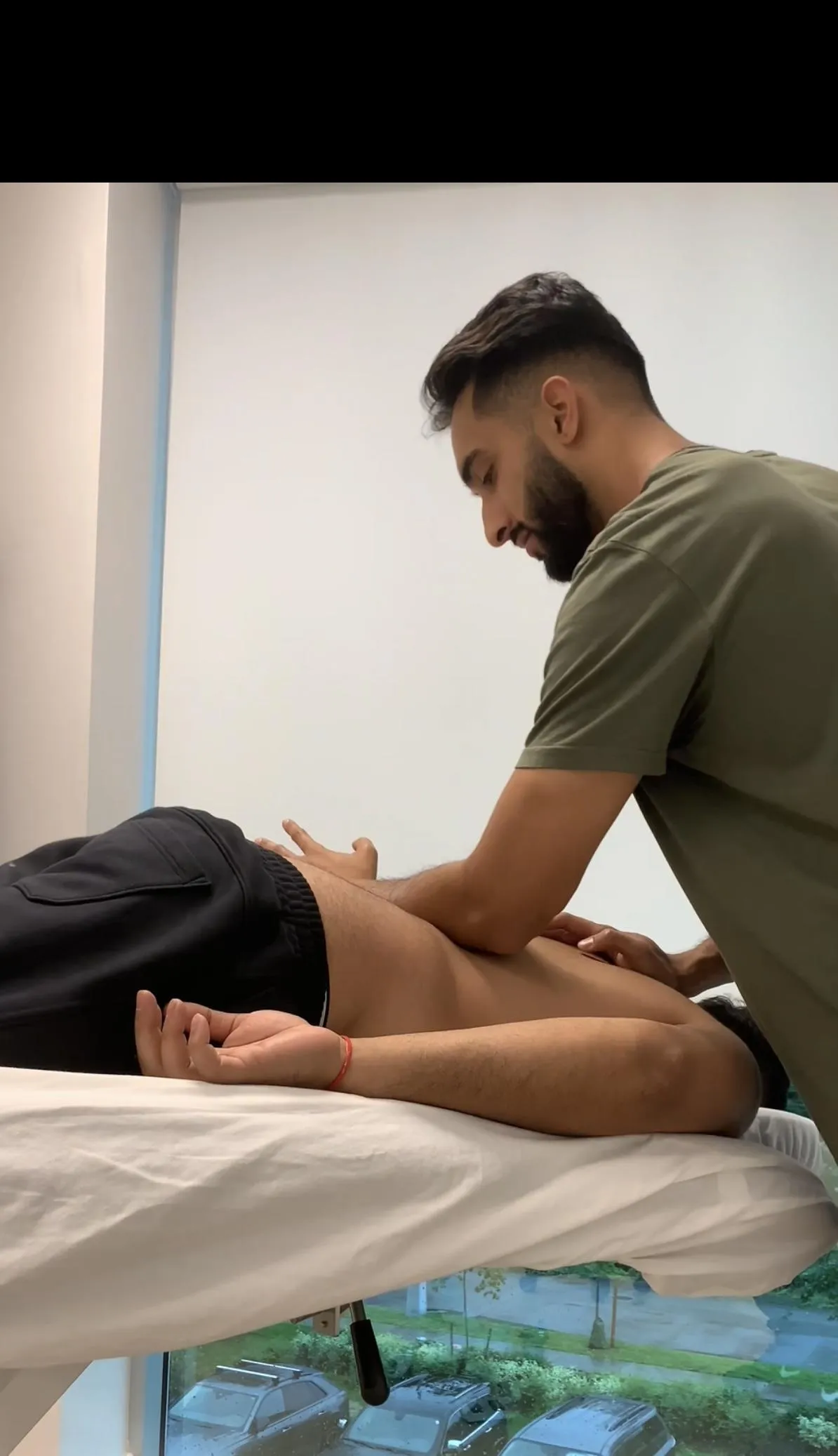
Once the problem areas and contributing factors are identified, the first goal is to reduce pain and improve movement. The physiotherapist may use manual therapy (soft tissue release, joint mobilisation), modalities like ultrasound or TENS, and gentle movement exercises. These help reduce inflammation, loosen tight areas, improve circulation and prepare the body for more active rehabilitation.
3. Tailored Exercise Program
A critical step is prescribing exercises aimed at the specific weaknesses or deficits you have. This may include:
Strengthening core and hip stabilisers (important for reducing low back and hip strain).
Shoulder girdle and upper back exercises (for those suffering neck/shoulder pain from desk work or manual tasks).
Wrist, forearm and hand exercises (for repetitive work or computer use).
Flexibility and mobility drills for hips, spine, thoracic region, shoulders—to ensure movement is efficient and balanced.
Balance and proprioceptive work (especially important for standing workers, manuals or industrial roles where stability matters).
The exercise plan is progressive and tailored to your lifestyle and job demands.
4. Ergonomic & Postural Education
One of the most valuable components is the education you receive. Your physiotherapist will provide guidance and recommendations such as:
Adjusting your workstation (desk height, monitor level, keyboard position, mouse use, chair support, foot support) or the way you use tools and equipment.
Introducing micro-breaks and movement habits (for example, standing or walking briefly every 30-60 minutes, stretching after repetitive tasks).
Advising proper lifting, reaching, bending techniques if your job involves physical tasks.
Teaching how to maintain good posture during prolonged sitting, standing or driving.
This empowers you to make changes that prevent recurrence of pain.
5. Long-Term Support & Prevention
Rather than simply treating an acute episode and stopping, the approach at Surge Wellness emphasises long-term musculoskeletal health. Maintenance programmes, periodic check-ups, and self-management strategies (stretching routines, strengthening habits, movement breaks) help you stay ahead of issues. This proactive mindset can reduce future downtime, improve productivity and enhance overall comfort.
Who Can Benefit?
Virtually any worker who experiences muscle, joint or nerve symptoms related to their job can benefit from this physiotherapy approach. Some specific examples:
Desk-bound professionals experiencing neck, shoulder or low back strain from screen work, poor chair support or lack of movement.
Drivers (truck, van, cab) who spend long hours seated, dealing with vibration, shifting posture, repeated wrist/mouse use or asymmetrical load.
Manual labourers / warehouse staff who lift, bend, carry, reach or perform repetitive motions, often under time pressure.
Healthcare staff, retail workers etc. repeating physical tasks (patient transfer, standing long hours, climbing stairs).
Remote workers or hybrid workers whose home workstation may not be ergonomically optimised.
No matter what your profession, if pain, stiffness or fatigue are becoming part of your daily work routine, physiotherapy can help restore movement, reduce discomfort, and improve your work-life experience.
Benefits of Workplace-Focused Physiotherapy
Reduced pain and discomfort during and after work.
Improved movement quality and posture which reduces fatigue.
Faster return to full or pain-free work capacity.
Decreased risk of developing chronic musculoskeletal disorders.
Better job performance and morale—less distraction by pain.
Empowerment through self-care tools and knowledge.
Simple Tips to Take Right Now
While visiting the physiotherapist is highly beneficial, you can also start making improvements today:
Every 30–60 minutes, stand up, stretch your neck, shoulders, arms, back or legs.
If sitting: ensure feet are flat on the floor, knees at hip level, lower back supported, screen at eye height.
If standing: shift weight, keep knees soft (not locked), ensure your workstation height allows shoulders relaxed.
Use a light grip on your mouse or tool—avoid excessive force.
Avoid crossing legs when seated—alternate side support.
Incorporate 5–10 minutes of core and hip-stabiliser activation (bridge, bird-dog) daily.
Use proper lifting technique: bend hips and knees, keep back straight, bring items close to body.
Stay hydrated and move—yes, hydration helps tissue health!
When to See a Physiotherapist
You should consider booking an appointment with a physiotherapist at Surge Wellness if you experience:
Pain that begins during work or shortly after and doesn’t ease with a short rest.
Repeated stiffness or fatigue by end of the workday.
Numbness, tingling or weakness in arms, hands, legs or feet related to job tasks.
Loss of productivity or avoidance of tasks because of pain.
Previous injury that still affects your work or has returned multiple times.
Early intervention often means shorter treatment time and better outcomes.
Conclusion
Work-related musculoskeletal pain doesn’t have to be simply accepted as “part of the job.” With the right physiotherapy approach—like the one offered at Surge Wellness Clinic in Surrey—you can treat your symptoms, uncover the contributing factors, optimise your movement and ergonomic habits, and prevent future issues. Investing in physiotherapy not only means less pain, but also improved performance, better comfort and stronger long-term health. If your body is telling you to make a change, take the first step today toward a more comfortable and pain-free work life.