

Restoring Movement and Confidence: How Physiotherapy Supports Long-Term Physical Health
Modern lifestyles place increasing demands on the human body. Long hours of sitting, limited physical activity, stress, and repetitive movements have become common, often leading to stiffness, pain, and reduced mobility. Many people accept discomfort as a normal part of daily life, assuming it will resolve on its own. However, persistent pain or movement restrictions are often signs that the body needs professional attention. Physiotherapy plays a vital role in restoring physical balance, improving function, and helping individuals regain confidence in their movement.
Physiotherapy is not limited to injury recovery alone. It is a science-based healthcare approach that focuses on understanding how the body moves, adapts, and heals. Whether discomfort arises from poor posture, muscle imbalances, joint stiffness, or nerve irritation, physiotherapy addresses the root cause rather than simply masking symptoms. This approach makes it effective for people of all ages, from young adults with work-related strain to older individuals managing age-related mobility challenges.
One of the most important aspects of physiotherapy is its personalized nature. No two bodies move in exactly the same way, and no two people experience pain for identical reasons. A physiotherapist begins by carefully assessing posture, movement patterns, muscle strength, flexibility, and joint function. This comprehensive evaluation allows them to identify underlying issues that may not be immediately obvious. For example, knee pain may actually originate from hip weakness, or shoulder discomfort may be linked to poor spinal alignment. By identifying these connections, physiotherapy ensures that treatment is both effective and sustainable.
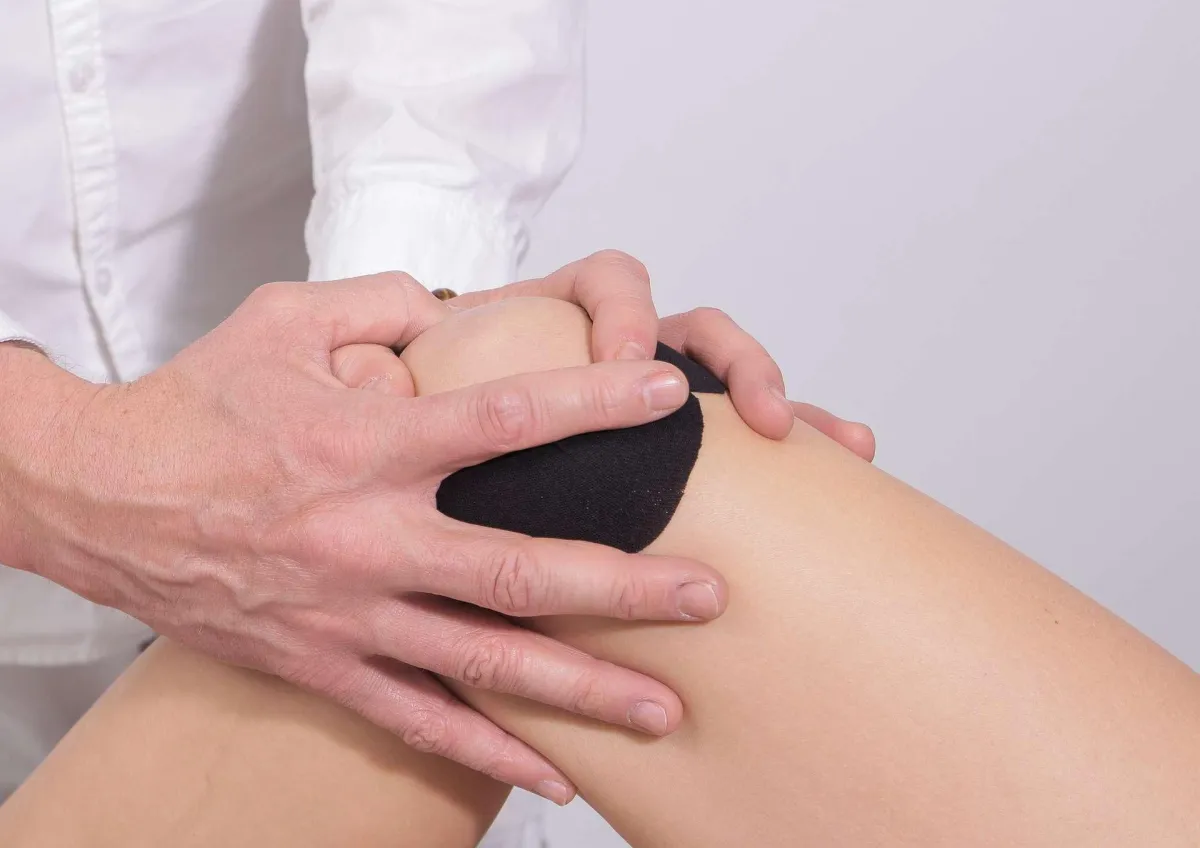
Pain management is often the reason people first seek physiotherapy, but the benefits extend far beyond pain relief. Hands-on techniques such as soft tissue therapy and joint mobilization help reduce muscle tension, improve circulation, and restore normal joint movement. As pain decreases, patients often notice improved flexibility and ease in daily activities such as walking, bending, or reaching. This gradual improvement encourages movement rather than avoidance, which is essential for long-term recovery.
Exercise therapy is another cornerstone of physiotherapy care. Unlike generic fitness routines, physiotherapy exercises are carefully selected to match an individual’s condition, ability, and recovery stage. These exercises strengthen weak muscles, improve stability, and enhance coordination. Over time, they help the body move more efficiently, reducing strain on vulnerable areas. As confidence grows, patients often find themselves returning to activities they once avoided due to fear of pain or injury.
Posture correction is a key focus in physiotherapy, especially for individuals with desk-based or sedentary lifestyles. Poor posture places unnecessary stress on muscles and joints, often leading to neck pain, back discomfort, and headaches. Physiotherapists educate patients on maintaining proper alignment during daily activities, whether sitting at a workstation, standing for long periods, or lifting objects. Small changes in posture, when practiced consistently, can lead to significant improvements in comfort and mobility.
Physiotherapy also plays a preventive role, helping individuals avoid future injuries. Many musculoskeletal issues develop gradually due to repetitive strain, muscle imbalances, or lack of movement. By addressing these factors early, physiotherapy reduces the likelihood of chronic pain or recurring injuries. Preventive care is especially valuable for individuals who lead active lifestyles, engage in physical work, or participate in sports. Strengthening supportive muscles and improving movement mechanics allows the body to handle physical demands more safely.
Beyond the physical benefits, physiotherapy has a positive impact on overall well-being. Living with pain or restricted movement can affect mood, energy levels, and confidence. As physical function improves, many individuals experience reduced stress and a greater sense of control over their health. This mind-body connection highlights the importance of movement in maintaining not only physical health but also emotional balance.
Recovery through physiotherapy is a gradual process that encourages patience and consistency. Rather than offering quick fixes, it focuses on long-term improvement and self-management. Patients are guided on how to care for their bodies outside the clinic through home exercises, posture awareness, and lifestyle adjustments. This education empowers individuals to take an active role in their recovery, reducing dependence on medication or invasive procedures.
Physiotherapy is also beneficial for individuals recovering from surgery or managing chronic conditions. After surgical procedures, guided rehabilitation helps restore strength and mobility while minimizing complications. For those living with conditions such as arthritis or persistent back pain, physiotherapy provides strategies to manage symptoms and maintain independence. The goal is not only to reduce discomfort but also to improve quality of life.
In today’s fast-paced world, it is easy to ignore early signs of physical strain. However, addressing issues early through physiotherapy can prevent minor problems from becoming long-term limitations. By focusing on movement quality, strength, and functional ability, physiotherapy supports the body’s natural ability to heal and adapt.
In conclusion, physiotherapy is a powerful tool for restoring movement, managing pain, and promoting long-term physical health. Its personalized, holistic approach ensures that treatment is tailored to each individual’s needs, addressing both symptoms and underlying causes. Whether recovering from injury, managing daily discomfort, or aiming to move more freely, physiotherapy provides the guidance and support needed to maintain an active and healthy lifestyle. Investing in physiotherapy is not just about recovery—it is about building a stronger, more resilient body for the future.